Introduction to the Quick-Commerce Sector in India
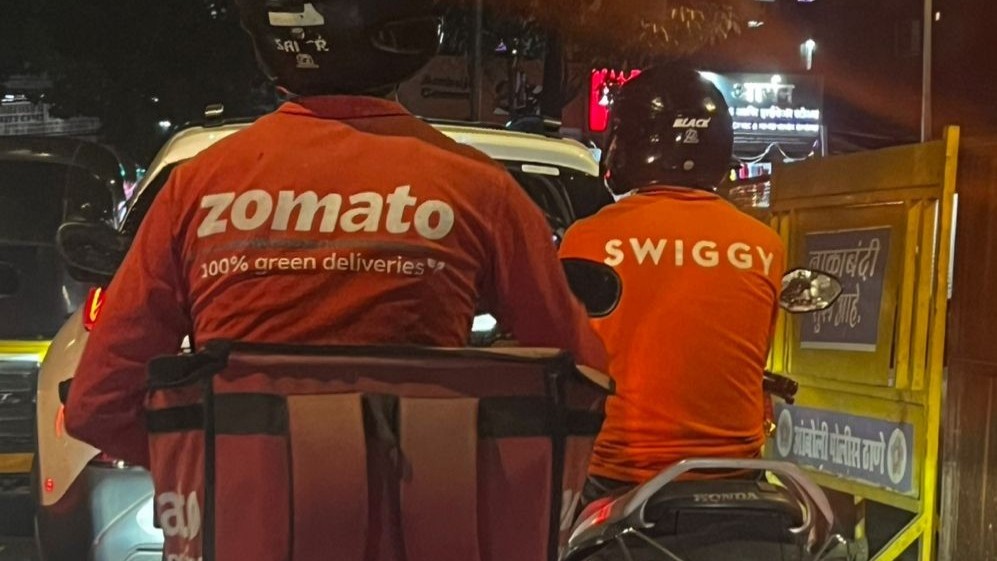
The quick-commerce sector in India has been gaining significant traction over the past few years, with players like Swiggy and Zomato leading the charge. These platforms have revolutionized the way Indians order food and other essentials online, with their fast and reliable delivery services. However, the sector has also been plagued by concerns over the welfare of delivery partners, who often have to navigate through heavy traffic and other hazards to meet the stringent delivery timelines.
Labour Ministry Directive: A Game-Changer for Swiggy and Zomato?
In a significant development, the Labour Ministry has directed quick-commerce players to remove the 10-minute delivery threshold, citing concerns over the safety of delivery partners. This move is expected to have a significant impact on the operations of Swiggy and Zomato, who have built their business models around fast and reliable delivery. While the move is expected to improve the working conditions of delivery partners, it may also lead to increased costs and reduced efficiency for the companies.
According to a report by Zomato Share Price, the company’s shares were trading with gains of around 2.5% at Rs 292, although it is well below the intraday high of Rs 297. Similarly, Swiggy Share Price was trading at Rs 346.6, correcting around one percentage point.
Impact on Swiggy and Zomato Share Prices
The Labour Ministry directive is expected to have a significant impact on the share prices of Swiggy and Zomato. While the move is expected to improve the working conditions of delivery partners, it may also lead to increased costs and reduced efficiency for the companies. This could negatively impact the share prices of the companies in the short term, as investors worry about the potential impact on their bottom lines.
However, it’s worth noting that the long-term impact of the directive on the share prices of Swiggy and Zomato will depend on how the companies adapt to the new regulatory environment. If the companies are able to find ways to maintain their efficiency and profitability while also improving the working conditions of their delivery partners, their share prices may not be significantly impacted in the long term.
Analyst Expectations: Buy, Sell, or Hold?
Out of 33 analysts tracking Eternal Share Price, 29 maintain a ‘buy’ rating while four suggest ‘sell,’ according to Bloomberg data. The average 12-month consensus price target implies an upside of almost 30%. As for Swiggy Share Price, out of 28 analysts tracking the company, 24 maintain a ‘buy’ rating, two recommend a ‘hold,’ and two suggest ‘sell,’ according to Bloomberg data. The average 12-month consensus price target implies an upside of 41%.
Conclusion: What’s Next for Swiggy and Zomato?
In conclusion, the Labour Ministry directive to remove the 10-minute delivery threshold is a significant development for the quick-commerce sector in India. While the move is expected to improve the working conditions of delivery partners, it may also lead to increased costs and reduced efficiency for companies like Swiggy and Zomato. As the companies navigate this new regulatory environment, investors will be watching their share prices closely, looking for signs of how they will adapt to the changing landscape.
For more information on Indian Stock Market and the latest developments in the quick-commerce sector, stay tuned to our website. We provide Stock Market News and updates on the latest trends and developments in the Indian stock market.