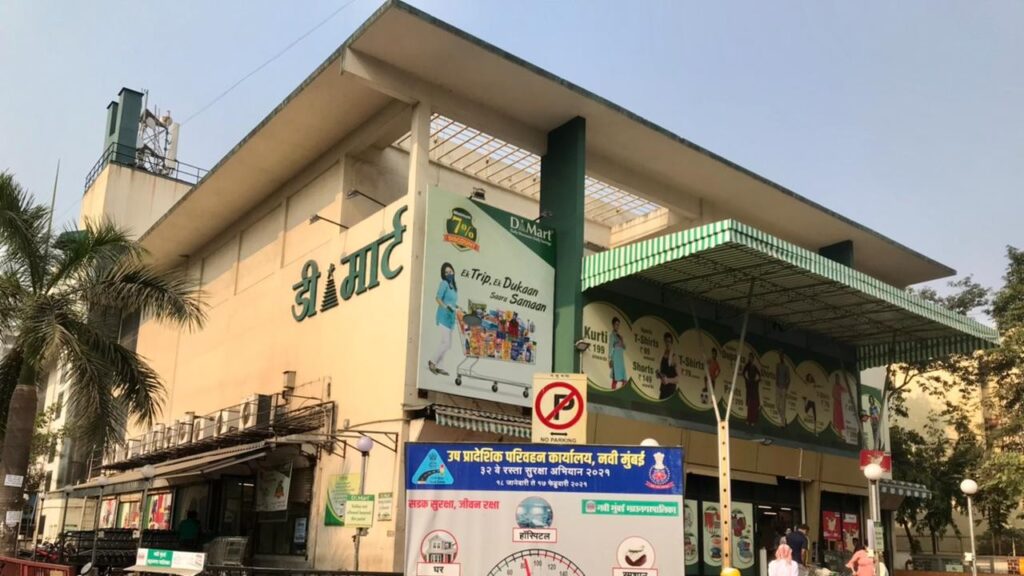
DMart Share Price Target: 63% Upside Ahead Of Q3 Results — Key Factors to Consider
DMart’s low-cost operator model remains robust, and concerns of competition due to quick commerce are overdone, according to CLSA analyst Aditya Soman. The 12-month share price target for Avenue Supermarts Ltd. has been cut to Rs 6,105 from Rs 6,300 earlier. The new target still implies a 63% upside over the previous close of Rs 3,745.10 on the NSE.
Understanding the Target Price Change
The target price change comes ahead of the third-quarter financial results due on Saturday, Jan. 10. Soman said DMart is rapidly scaling its private‑label assortment, which will drive the next level of share gains. Operating with low costs allows it to offer competitive prices to consumers, leading to high sales velocity and better scale. This further reduces costs and creates a virtuous loop that allows DMart to gain market share in a price‑sensitive market, he said in a note.
For investors looking to understand the implications of this target price change, it’s essential to consider the stock market analysis and how DMart’s strategy aligns with current market trends. The company’s focus on private labels and expansion into smaller towns could significantly impact its growth trajectory.
Key Factors Driving the Prediction
While we expect the stock price to remain under pressure given slower sales growth, we maintain our core thesis on DMart, that it is the lowest-cost operator, which is further widening the gap with competitors while aggressively moving towards private labels. Additionally, the DMart model is now being rapidly expanded to smaller towns. While the near‑term implications of these shifts are admittedly hard to forecast, we believe the model remains robust and that concerns of competition due to quick commerce (on which we remain bullish) are overdone.
For more insights into how quick commerce is impacting the retail sector and the strategies companies like DMart are employing to stay competitive, visit our retail sector trends page.
Financial Performance and Outlook
The analyst trimmed the FY26–28 earnings per share forecast by 1–3% to reflect slower sales growth, warranting a cut in target price. Standalone revenue from operations for the quarter ended Dec. 31, 2025, rose 13% year-on-year to Rs 17,613 crore. The total number of stores stood at 442.
Understanding the financial performance analysis of DMart and its implications for investors is crucial. The company’s ability to maintain its low-cost operator model and expand its private-label offerings will be key to its future success.
DMart Share Price Movement
DMart share price is flat on a 12-month basis and nearly 24% lower from its 52-week high of Rs 4,949.50 hit in September last year. This movement reflects the challenges faced by the company in the current market environment but also presents an opportunity for investors looking to buy into the stock at a lower price point.
For the latest stock market news and updates on DMart and other key stocks, keep checking our Indian stock market news section.
Conclusion
In conclusion, the revised target price for DMart implies significant upside potential for investors. However, it’s essential to consider the factors driving this prediction, including the company’s low-cost operator model, private-label strategy, and expansion plans. By staying informed about the latest developments in the retail sector and Indian stock market trends, investors can make more informed decisions about their portfolios.